education

How Community Support Prevented Another Child from Dropping Out of School

Harriet Nassimbwa sembabule Story by Webadmin

For twelve years, Harriet Nassimbwa carried the responsibility of raising her two children alone after her husband abandoned the family. Living in Vunza Village in Katwe Sub-county, Ssembabule District, Harriet struggled daily to provide food, shelter, and education for her children.

Without land of her own or vocational skills to secure stable employment, she survived through casual labor on neighboring farms. Whenever possible, she leased small plots of land to grow maize and beans for sale, using the little income she earned to support her family.

How Community Support Prevented Another Child from Dropping Out of School

Unable to sustain both household needs and school expenses, Harriet’s eldest son, Julius Ssande, dropped out of school in Primary Five. Like many vulnerable rural children forced out of education by poverty, he eventually left home and now survives through occasional odd jobs.

Even after losing one child’s education, Harriet remained determined to keep her daughter, Justine Namawanda, in school.

How Community Support Prevented Another Child from Dropping Out of School

However, by mid-2024, the family’s situation worsened when Harriet fell seriously ill. As her health deteriorated, so did the family’s livelihood. By mid-2025, she could no longer carry out the labor activities that had sustained the household for years. The family struggled to afford even basic meals, and Justine’s education was once again at risk.

At the time, Justine — then a Primary Five pupil at KV Rockside Primary School — had outstanding school fees balances for the second term, with little hope of returning for the third term. The family was on the verge of losing a second child to school dropout.

How Community Support Prevented Another Child from Dropping Out of School

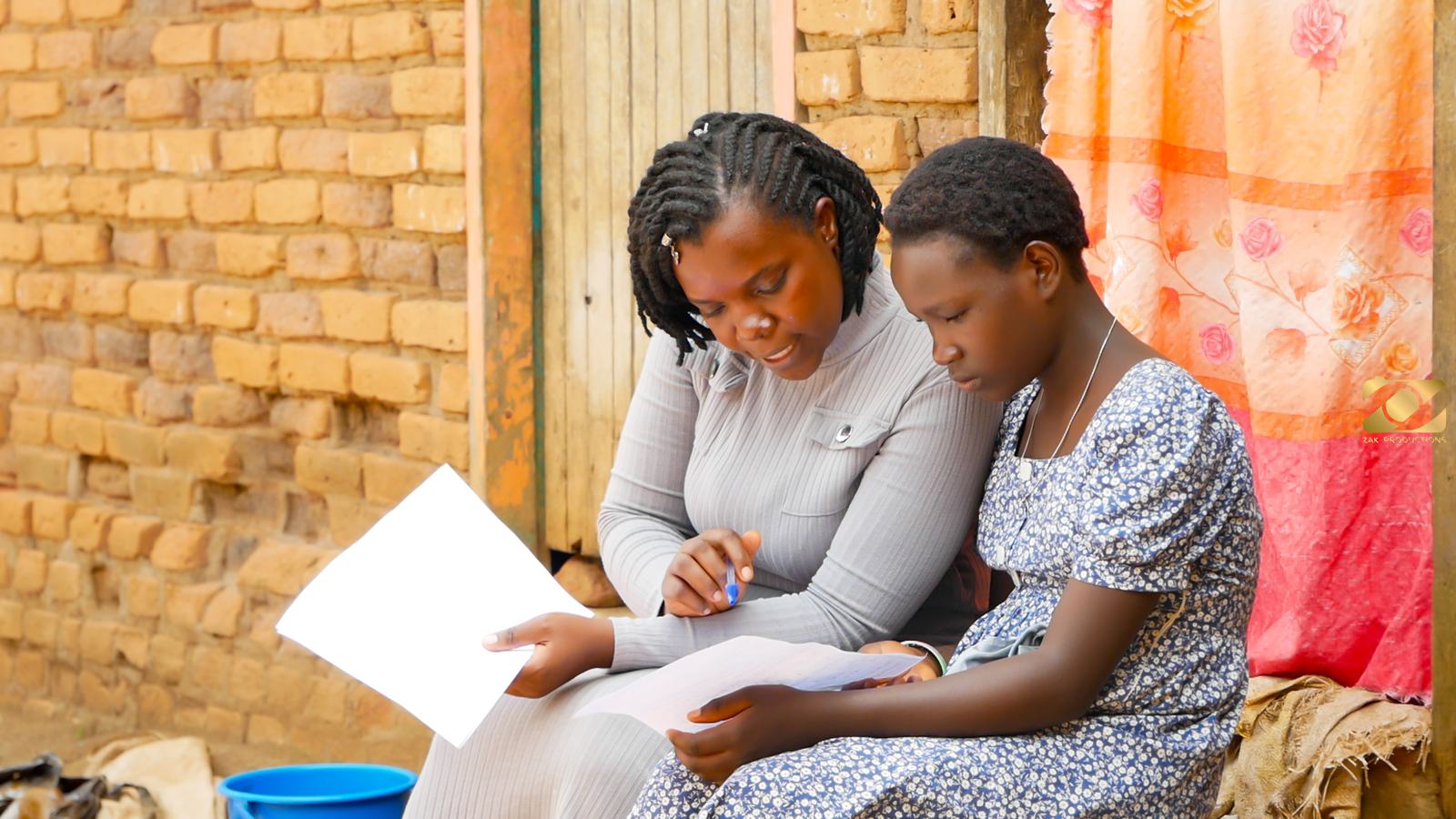
In July 2025, the Chairperson of Vunza Village Cooperative, Ms. Janat Nandawula, identified the family’s situation and brought it to the attention of COSMA. Upon visiting the household, COSMA found a family in deep crisis: Harriet was critically ill, household income had collapsed, and Justine’s education was hanging in the balance.

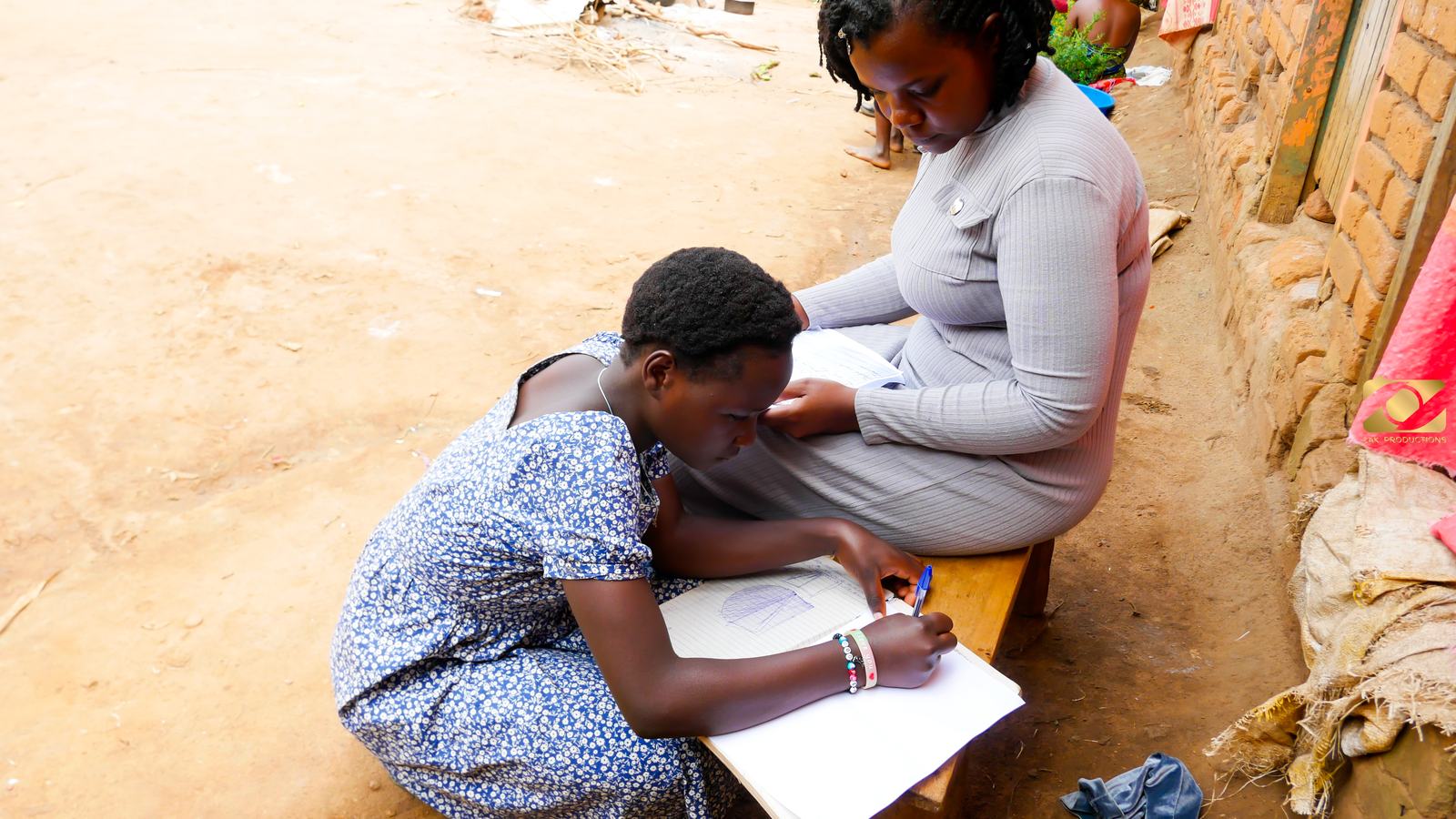
Recognizing the urgency of the situation, COSMA immediately mobilized support through its education sponsorship network. Within a short time, Justine secured a sponsor who committed to supporting her educational needs. As a result, Justine returned to school, completed Primary Five, and is now continuing with Primary Six.

For Harriet, the intervention meant restoration of hope after the painful experience of watching one child drop out of school due to poverty. For Justine, this opportunity did not simply keep her in school — it protected her future from becoming another casualty of poverty and vulnerability.

Beyond one family, Justine’s story demonstrates the important role that community structures can play in protecting vulnerable children from dropping out of school. Through cooperative networks and trusted local leadership, vulnerable households can be identified early and connected to support before crises become irreversible.

In this case, the Village Cooperative became more than an agricultural platform — it became a community protection system. By linking vulnerable families to timely support, community-led structures are helping ensure that poverty, illness, and household crisis do not permanently deny children their right to education.
Help Write the Next Story

Stories like Harriet Nassimbwa's are possible because of people who believe in community transformation. Your support makes the difference.