village cooperatives

Nakasenyi Agali Awamu Farmers Field School: From Collapse to Community Transformation

Nakasenyi Agali Awamu Farmers sembabule Story by Webadmin

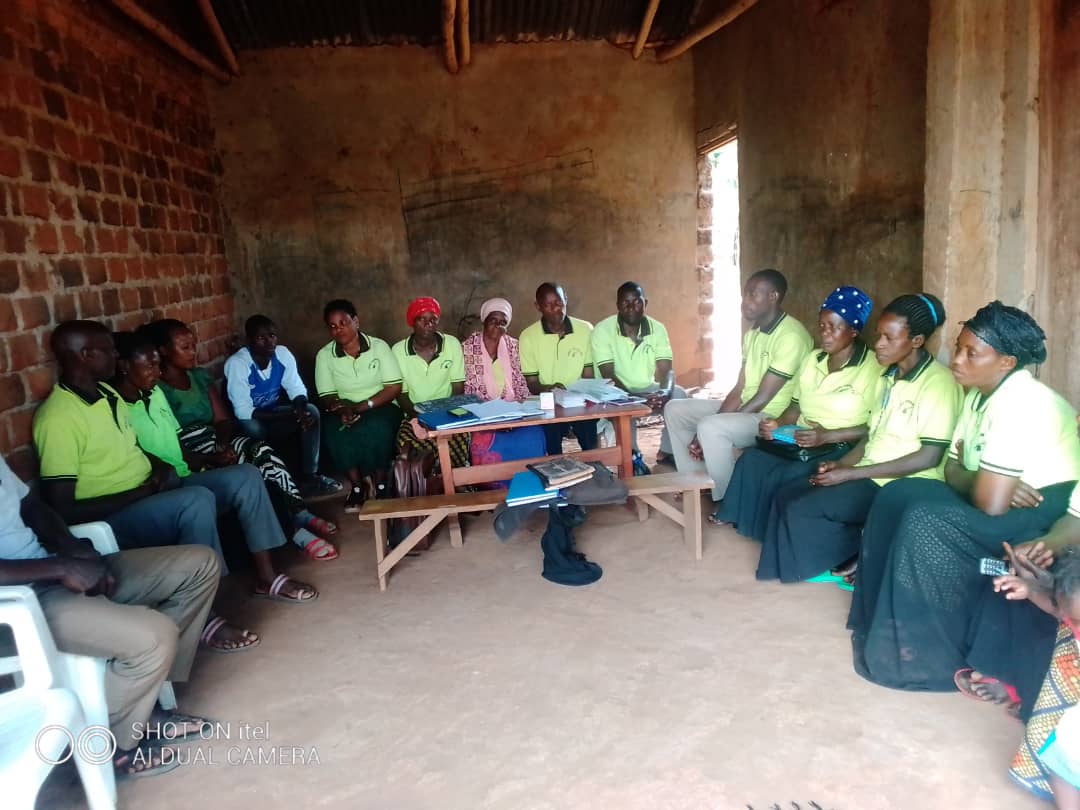
When COSMA Sustainable Rural Development (COSMA) first encountered the Nakasenyi Agali Awamu Farmers Field School, the group was struggling to survive. Originally operating as a Village Savings and Loan Association (VSLA), the cooperative had been weakened by poor leadership, mistrust among members, and a lack of transparency in its operations. Membership had sharply declined from 40 to just 16 members, and the group was steadily collapsing.

Although most members depended on farming for their livelihoods, they mainly practiced subsistence agriculture characterized by low productivity, limited income, and minimal savings. The group lacked both the organizational capacity and the resources needed to improve members’ livelihoods.
Nakasenyi Agali Awamu Farmers Field School: From Collapse to Community Transformation

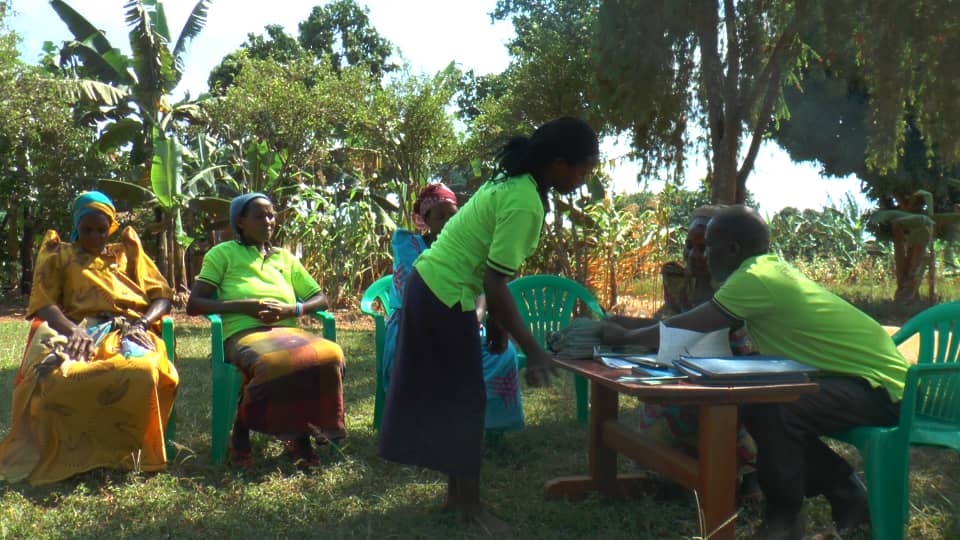
In 2015, COSMA onboarded the group as its first Village Cooperative under its cooperative development model. The organization began by rebuilding trust and strengthening the group’s internal systems through intensive training in group dynamics, leadership, accountability, and cooperative management. Members were supported to democratically elect a new leadership team that they trusted to guide the group forward.

Beyond strengthening governance, COSMA repositioned the cooperative as a platform for both financial empowerment and agricultural transformation. Members received agronomic training and were introduced to improved farming practices. To enable adoption of these practices, COSMA also facilitated access to agricultural inputs on credit, giving farmers an opportunity to improve production despite limited financial capacity.

Nakasenyi Agali Awamu Farmers Field School: From Collapse to Community Transformation

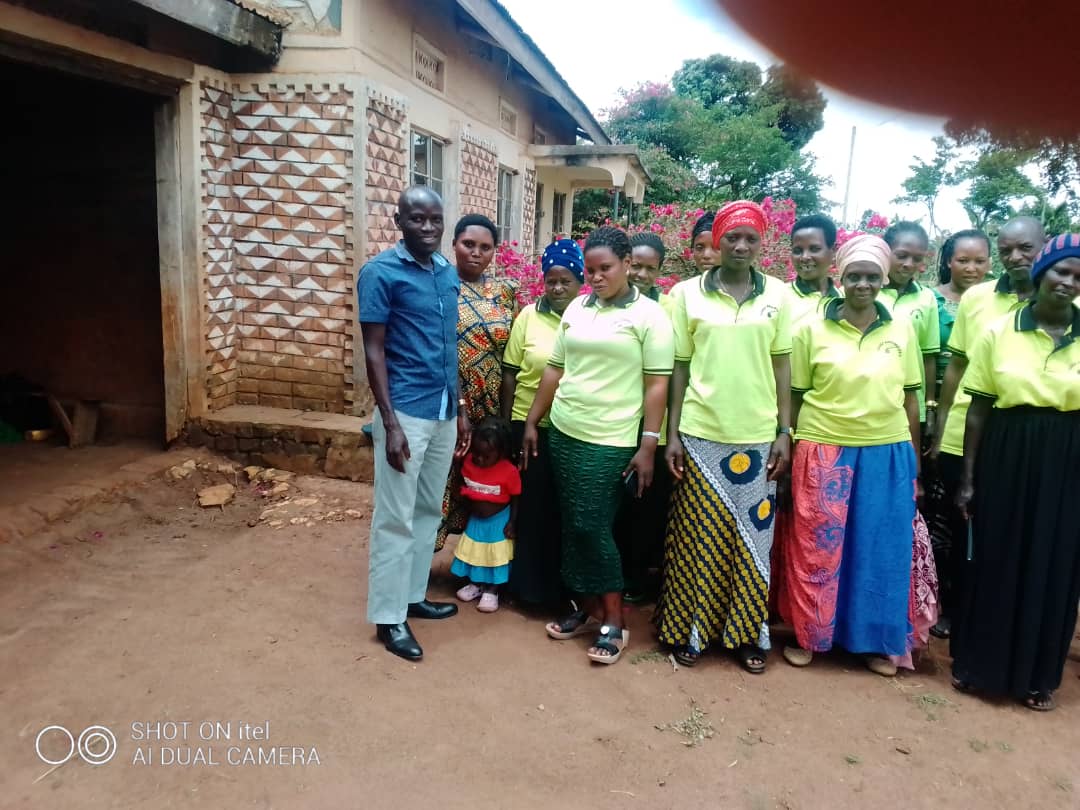
Ten years later, the cooperative has grown from 16 to 65 active members, evolving into a trusted and vibrant community institution. Through collective saving and investment, the group purchased a 50ft by 100ft piece of land and constructed an office building that now serves as its operational headquarters.

The cooperative has also diversified its income sources by investing in community event equipment, including two 100-seater tents, 200 chairs, three large cooking pans, 500 plates, and 300 cups. These assets now enable the cooperative to provide affordable event services within the community, generating additional income for the group while strengthening its local visibility and relevance.

Nakasenyi Agali Awamu Farmers Field School: From Collapse to Community Transformation

For members, the impact goes beyond income generation. Whenever cooperative members host family or community events, they access these services free of charge, saving approximately USD 125 per event — a significant financial relief for many rural households.

Today, Nakasenyi Agali Awamu Farmers Field School stands as a powerful example of how rebuilding trust, strengthening local leadership, and investing in community-owned cooperative systems can transform a struggling savings group into a sustainable institution that improves livelihoods, strengthens social cohesion, and creates long-term economic resilience for rural families.

Help Write the Next Story

Stories like Nakasenyi Agali Awamu Farmers's are possible because of people who believe in community transformation. Your support makes the difference.